All Categories
Featured
Table of Contents
All set to dive into the world of Google Analytics 4? We'll cover setup, key features, and how to use it to enhance your site's efficiency. Google Analytics 4, or GA4, is the latest version of Google's web analytics platform.
This suggests it can track user interactions on both websites and mobile apps, providing a more holistic view of the client journey. The shift to event-based data enables for more flexible and detailed analysis, making it much easier to understand how users are engaging with your content. One of the key differences between GA4 and UA is its enhanced privacy functions.
This helps you comply with privacy laws while still acquiring important insights into user behavior. Additionally, GA4 leverages maker discovering to fill out data gaps and anticipate future patterns, giving you a more complete picture even when information is limited. Associated reading: Step-by-Step DC Motor Control: A Comprehensive Guide Another significant benefit of GA4 is its smooth combination with other Google products, such as Google Ads.
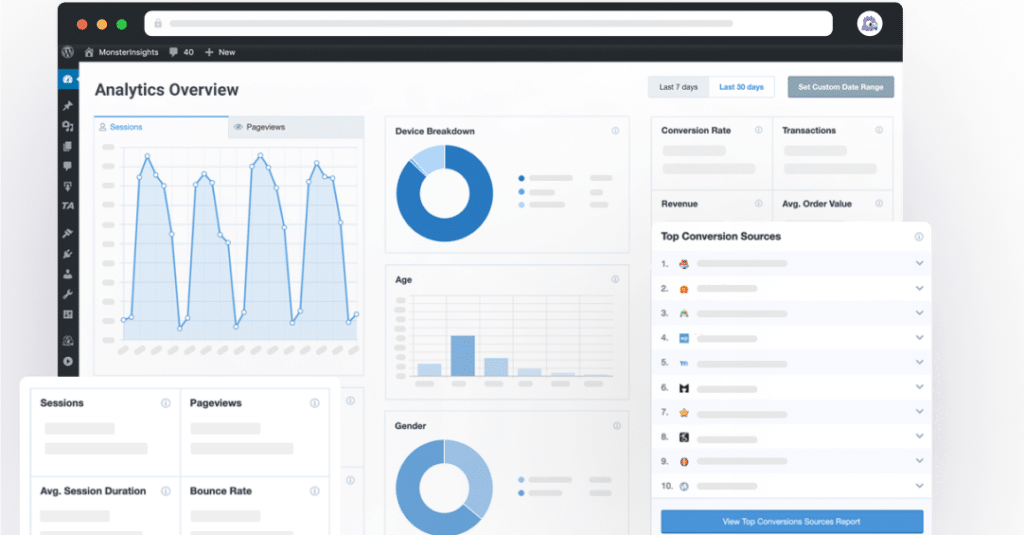
By connecting GA4 with your Google Advertisements account, you can use GA4's insights to improve your ad performance and drive much better results. In General, Google Analytics 4 represents a considerable upgrade over Universal Analytics, providing more innovative functions, better personal privacy controls, and enhanced combination with other Google services. Alright, let's get our hands unclean and established GA4! You'll need a Google account.
Building a Winning Creator Partnership Strategy
You'll be prompted to develop an account for your service. Enter your account name and set up the information sharing settings according to your preferences.

A property represents your site or app. Offer your residential or commercial property a name, choose your reporting time zone, and choose your currency. Ensure to choose the time zone that matches your organization place to guarantee precise reporting. After that, you'll be asked to explain your organization. Select the classification that best fits your business and pick the size of your service.
A data stream is the source of data for your GA4 property. If you're setting up GA4 for a site, select the web stream choice.
How to Use New Analytics for Better ROIGoogle will then offer you with a measurement ID and a bit of code that you need to include to your site. This code is what allows GA4 to collect information from your website. You can either add the code straight to your website's HTML or use a tag management system like Google Tag Supervisor.
Boosting Total LTV With Analytics
GA4 will begin gathering data as quickly as users visit your website. Google Analytics 4 is packed with functions that can assist you comprehend your audience and enhance your website's performance.
This enables a lot more granular tracking and analysis compared to the session-based design used in Universal Analytics. You can track custom events that specify to your business, providing you insights into the actions that matter most to you. For instance, you can track how many users download a PDF, watch a video, or finish a kind.
GA4 can track users throughout both your site and mobile app, providing a merged view of the consumer journey. This is particularly beneficial if you have both a website and a mobile app, as it allows you to see how users interact with your brand name throughout different gadgets. GA4 also includes machine learning capabilities that can help you complete data spaces and forecast future trends.
GA4 can utilize maker discovering to model user habits and supply insights even when cookies are not readily available. GA4's integration with other Google items, such as Google Advertisements and Google Marketing Platform, is another substantial benefit. This combination enables more reliable campaign optimization and targeting. You can use GA4's insights to enhance your ad performance, produce more personalized experiences, and drive much better outcomes.
In general, the crucial features of Google Analytics 4 make it an effective tool for comprehending your audience and improving your website's performance. Its event-based information model, cross-platform tracking, artificial intelligence abilities, and integration with other Google items provide a thorough view of the client journey and enable you to make data-driven choices.

Latest Posts
Modern Data-Driven Metrics Frameworks for 2026
The Evolution of Lifecycle Strategies
Driving Shop Scale With Online Ads