All Categories
Featured
Table of Contents
Public figures on active buyers/sellers are not always granularly revealed; price quotes recommend numerous millions of users engage with Marketplace features monthly throughout Meta homes. Use caution, official MAU carveouts are rare. A notable subset of Marketplace users also browse Shops; price quotes recommend approximately 2040% overlap depending upon region and item classification.
Facebook advertisements have actually reinvented marketing for little and medium sized companies. More SMBs will take advantage of Facebook advertisements in the upcoming days. Between 3045% of SMBs run Facebook advertisements month-to-month in fully grown markets; adoption is higher where digital payments and logistics are developed. Regional variation is substantial. Median SMB regular monthly ad invest on Meta platforms typically falls in the $200$1,200 range, with bigger SMBs investing more.
SMBs significantly assign a larger share to video, with normal splits near 40% video and 60% static imagery, trending towards more video year-over-year. Adjust split based on imaginative ability and performance. Video Spending Plan 40% Growing year-over-year Fixed Image Spending plan 60% Still dominant for SMBs For much better tracking and conversion great deals of marketers utilize coversion API.
Comparing Influencer Campaigns and Paid AdsImplement CAPI to recuperate server-side occasions and improve information fidelity. (Source: Conversions API) Implementing CAPI typically increases reported conversions by 1040% vs. pixel-only measurement, depending on signal loss and site setup. This shows recuperated server-side occasions and more total attribution. Designed conversions (attributed through statistical modeling when signals are missing) can comprise 1035% of reported conversions for advertisers relying on probabilistic attribution in privacy-constrained environments.
Key Social Media Trends to Watch
Customer feedback is crucial for any advertisement platform, and facebook is no different. Just a minority of pages tend to regularly show "Above Average" advertisement importance diagnostics (quality/engagement/conversion), typically in the 2035% range, indicating many marketers still fight with innovative relevance and targeting fit. Aim creative testing and audience refinement at raising this share.
A minority of accounts (approximately 515%) experience visible delivery throttling from sustained low feedback or policy offenses; intensity depends on violation history and advertisement dependence. Before choosing on a high converting design template, advertisement accounts test the waters with different alternatives.
internal capacity). Greater screening velocity correlates with faster performance improvements. Rotating creatives weekly (vs. bi-weekly) typically yields an efficiency lift in the 518% variety by minimizing advertisement tiredness and refreshing messaging. Balance screening speed with analytical significance. Top 3 creatives commonly capture 5580% of an account's spend as algorithms choose finest entertainers; this concentration highlights the significance of producing consistent winners.
Here are a few of the most common markets that utilize Facebook ads. Market Secret Standard Variety Fashion/Beauty CTR/ CPC CTR: 0.71.2% CPC: $0.40$1.20 Customer Electronics ROAS 1.53.5 blended Specialist Solutions CPL $40$250 Fitness/Wellness CPA $20$80 Education/Coaching Conversion Rate 26% Fashion & appeal typically see CTRs around 0.71.2% and CPCs roughly $0.40$1.20 depending upon imaginative and region.
Customer electronic devices ROAS varies commonly; mixed ROAS commonly falls between 1.5 and 3.5 depending upon price points and margins. Higher ROAS frequently requires strong post-click UX and higher AOV. Expert services CPLs tend to be greater typically $40$250 due to longer buy cycles and greater lead value (legal, B2B services, financial advisors).
Emerging Paid Ad Tactics to Follow
Focus on trial-to-paid conversion optimizations to enhance unit economics. Education and coaching funnels usually convert in the 26% range from paid traffic to enrollment/paid leads, with higher rates for recognized brands and retargeted audiences.
It is expected that Facebook ads will continue to grow in 2026. Here are some forecasts based upon past data. Analysts predicted modest Facebook advertisement invest growth in 2025, typically forecast at 38% YoY, driven by monetization of Reels, commerce features, and programmatic sellers, though development varies by region. By the end of 2025, short-form positionings (Reels) are anticipated to represent approximately 3555% of overall impressions on Meta for active video-heavy marketers.
Expected Q4 CPM spikes relative to the yearly typical frequently fall in the +1025% band due to holiday need; category-specific spikes (retail) can be bigger. Click-to-Message project adoption and spend have actually been growing at an approximated 1540% YoY as conversational commerce and messaging combinations expand.
Marketers typically run cross-platform advertisements. Tri-channel advertisement strategies (Facebook + TikTok + Google) are used by approximately 3055% of medium and big marketers intending for varied reach; adoption rises with budget plan and digital maturity.
Optimising the Customer Lifecycle with Smart Data
User reviews and UGC on Facebook/Instagram influence an estimated 2045% of purchases in social commerce contexts, depending upon category and review presence. Encourage UGC to enhance conversion. A large share of catalog (item) sales frequently comes from retargeting, frequently around 6070%, with the remainder from prospecting; balance is project- and funnel-dependent.
Some advertisements do get rejected and, even some ad accounts can get suspended. Average rejection rates for advertisements due to policy issues hover around 15% of submitted creatives, though greater for delicate verticals.
These Facebook ads statistics can help make important choices related to your advertisement campaign and assist you prevent spending more than you should. To use your strategy to the max, you need accounts with fewer restrictions and greater limits.
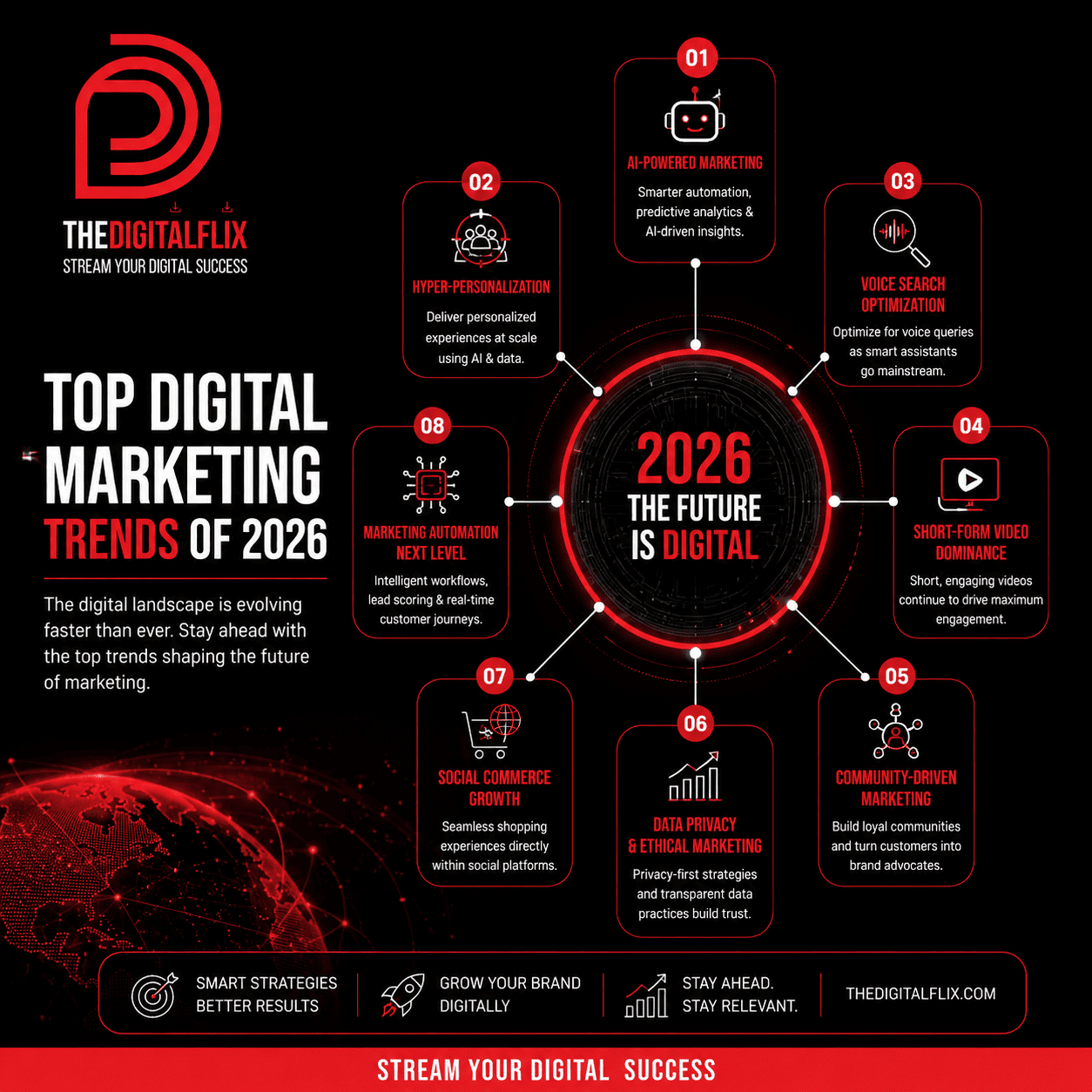
The specialist consultancy from Uproas assists you make informed decisions and keep up with the ever-changing data trends. Usage Uproas accounts to get the most out of your Facebook advertisement campaigns without any disruptions. Your top gain access to.
Optimising the User Lifecycle with Smart Data
The landscape of Facebook marketing has moved beyond the period of manual optimization. By 2026, Meta has actually successfully transitioned from a social media platform with an ad supervisor into a fully incorporated, AI-driven marketing engine. For efficiency marketers, User Acquisition (UA) managers, and growth leaders, this shift needs a complete rethink of how projects are structured and how success is determined.
Rather, it is found in the quality of your data inputs and the intelligence of your imaginative strategy. As the platform approaches a "black box" design where AI manages the bulk of targeting and bidding, your function has shifted to being a "imaginative designer" and a "data custodian."This guide dives deep into the specific patterns defining the Facebook Advertisements environment in 2026, providing actionable insights and frameworks to assist you navigate this high-velocity environment.

Latest Posts
Modern Data-Driven Metrics Frameworks for 2026
The Evolution of Lifecycle Strategies
Driving Shop Scale With Online Ads